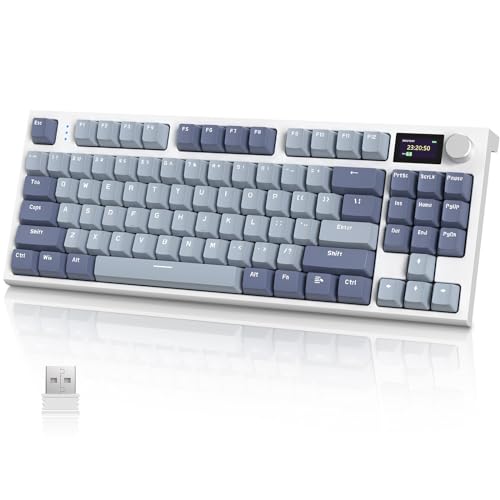
attack shark k86
The modern workplace has undergone a significant transformation, driven by rapidly evolving technology and the changing needs of the workforce. One of the most notable shifts has been the rise of remote work, which has become increasingly prevalent in recent years. As the COVID-19 pandemic swept across the globe, the necessity for remote work arrangements has become even more pronounced, with many organizations rapidly transitioning to a virtual work environment to ensure business continuity and employee safety.
The benefits of remote work are numerous and well-documented. Employees often report increased productivity, improved work-life balance, and reduced commuting time and costs. Additionally, remote work can provide organizations with access to a wider talent pool, as geographical boundaries become less of a barrier to employment. Employers can also potentially realize cost savings by reducing the need for physical office spaces and associated overhead expenses.
However, the transition to remote work has also presented new challenges. Maintaining effective communication and collaboration among dispersed teams can be a significant hurdle, as face-to-face interactions and non-verbal cues are often lost in virtual settings. Ensuring the security and privacy of sensitive information in a remote work environment can also be a concern, as employees may be accessing company data from a variety of devices and locations.
To address these challenges, organizations have had to adapt their management practices and invest in robust communication and collaboration tools. Video conferencing platforms, cloud-based file-sharing solutions, and project management software have become essential for remote teams to stay connected and productive. Additionally, companies have had to implement robust cybersecurity measures, such as virtual private networks (VPNs), multi-factor authentication, and employee training on best practices for data protection.
The future of work is likely to be a hybrid model, where a combination of remote and in-office work arrangements becomes the norm. This approach allows organizations to leverage the benefits of both virtual and physical workspaces, providing employees with the flexibility to choose the work environment that best suits their needs and preferences.
As the workplace continues to evolve, it will be crucial for organizations to prioritize the well-being and engagement of their remote employees. This may include providing additional support for mental health, facilitating virtual team-building activities, and ensuring that remote workers feel equally valued and included in the company culture.
Moreover, the shift towards remote work has had a significant impact on the commercial real estate industry. As the demand for traditional office spaces declines, companies may explore alternative approaches, such as flexible co-working spaces or satellite offices located closer to where their employees live.
In conclusion, the rise of remote work has fundamentally altered the way we think about the workplace. While the transition has presented new challenges, it has also highlighted the resilience and adaptability of organizations and employees alike. As we move forward, the key to success will be the ability to strike a balance between the benefits of remote work and the need for meaningful in-person interactions, ultimately creating a work environment that fosters productivity, collaboration, and employee well-being.
product information:
| Attribute | Value |
|---|---|
| package_dimensions | 10 x 5 x 1 inches |
| item_weight | 10.4 ounces |
| manufacturer | MAMBASNAKE |
| date_first_available | May 21, 2024 |
 New
 New
 New
 New